Reasons to be Cheerful (Thank Gawd it isn’t 1945)
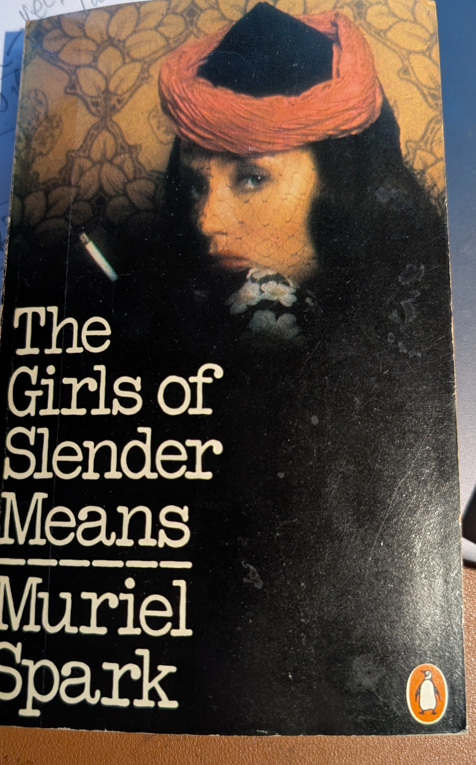
This morning at home I stumbled across a 70s imprint of Muriel Spark’s masterful The Girls of Slender Means (1963) – see quote below. The opening paragraph made me feel that, despite all the evidence that we are lions led by donkeys going to hell in a handcart, we should be glad that it is not 1945. The Stoops is (so far) unaffected by rationing. Even the Albert Memorial is still standing in Kensington Gardens, having – much to Ms Spark’s chagrin – avoided being demolished by Nazi bombs.
And now we can look ahead excitedly to what I consider to be the finer portion of the season. With the exception of New Year’s Day we are open pretty much all the way through. And if last year is anything to go by, we will be busy, though it may not quite be the re-enactment of The Last Days of Rome we have seen in recent weeks.
That Quote
Long ago in 1945, all the nice people in England were poor, allowing for exceptions. The streets of the cities were lined with buildings in bad repair or in no repair at all, bomb sites piled with stony rubble, houses like giant teeth in which decay had been drilled out, leaving only the cavity. Some bomb-ripped buildings looked like the ruins of ancient castles until, at a closer view, the wallpapers of various quite normal rooms would be visible, room above room, exposed, as on a stage, with one wall missing; sometimes a lavatory chain would dangle over nothing from a fourth or fifth floor ceiling. Most of all, the staircase has survived, like a new art-form, leading up and up to an unspecified destination that made unusual demands on the mind's eye.
There was absolutely no point in feeling depressed about the scene, it would have been like feeling depressed about the Grand Canyon or some event of the Earth outside everybody's scope. People continued to exchange assurances of depressed feelings about the weather or the news or the Albert Memorial which had not been hit, not even shaken, by any bomb from first to last… And everyone carried a shopping bag, in case they should be lucky enough to pass the shop that had a sudden stock of something off the rations.
From Muriel Spark’s The Girls of Slender Means (1963)